Our History
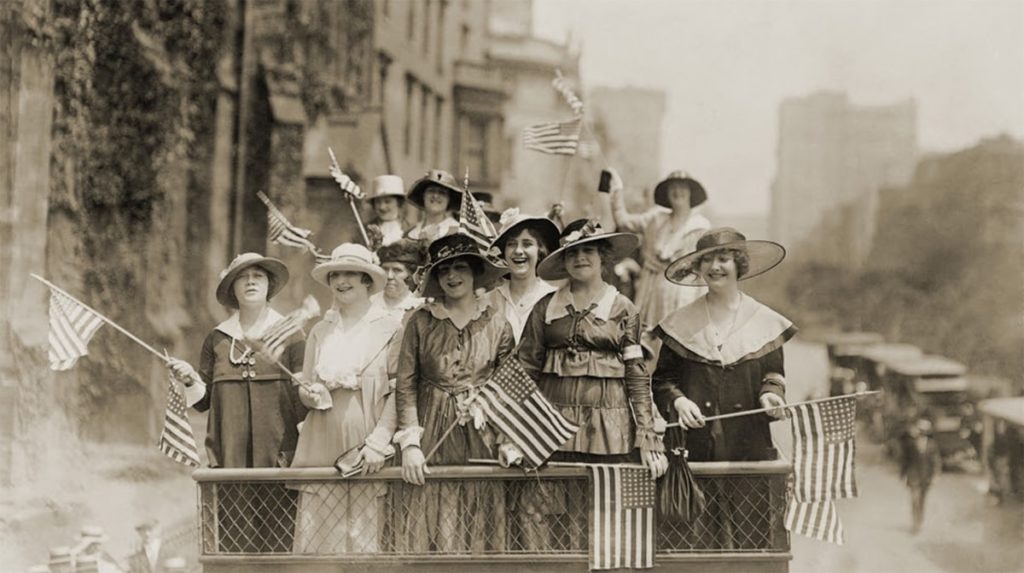
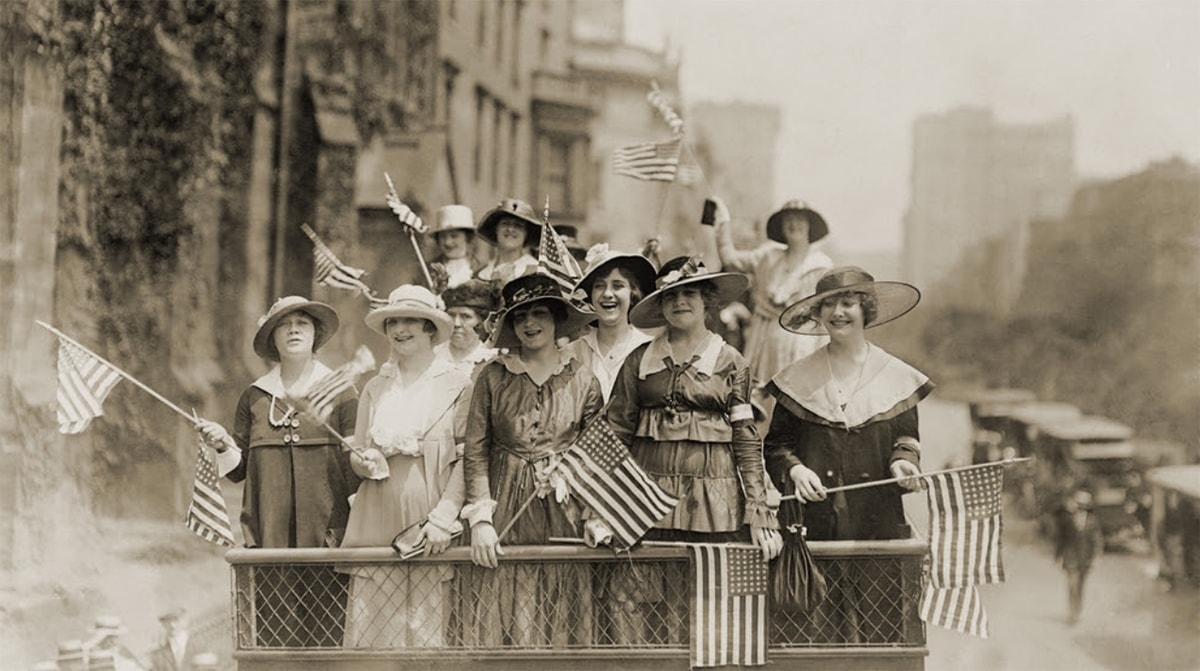
The League of Women Voters was founded in 1920 by Carrie Chapman Catt to support passage of the 19th amendment to the U.S. Constitution giving women the right to vote. Designed to support women with their new responsibilities as voters, the LWV has always been a grassroots organization advocating citizens’ active engagement in government and social reform. Since its inception, the League has maintained nonpartisan status – neither supporting or opposing political parties or candidates but focusing on policy issues of critical concern to the public.
History of the LWV in Minnesota
Minnesota granted women the right to vote in the presidential election on March 24, 1919, and later ratified the 19th Amendment on September 8, 1919. The LWV Minnesota was organized on October 29, 1919, in meetings called by the Minnesota Woman Suffrage Association. Clara Hampson Ueland, a community activist and suffragist, served as LWV Minnesota’s first president.
History of our Local League
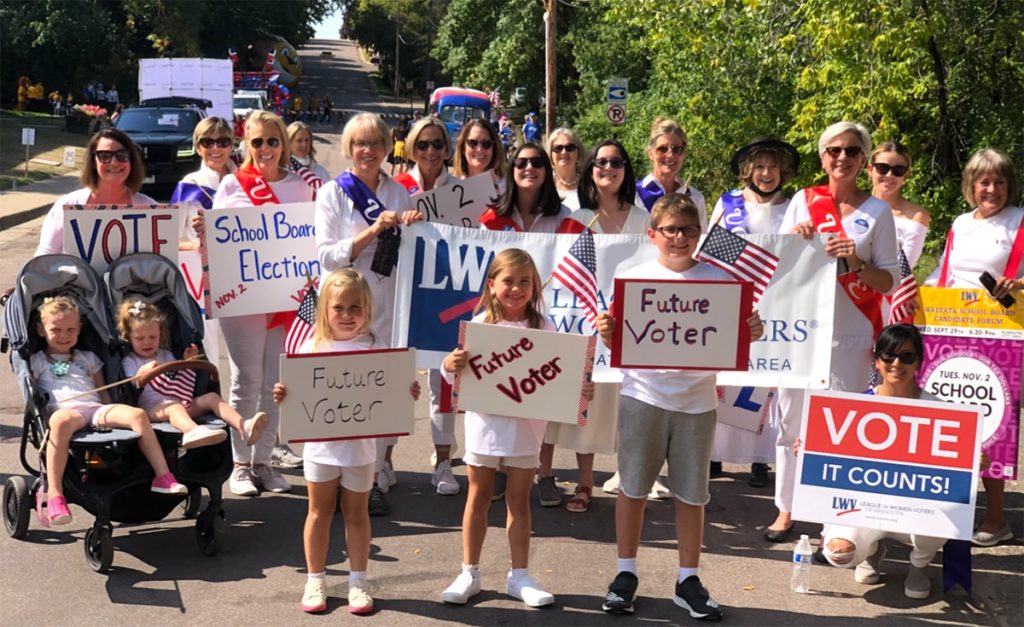
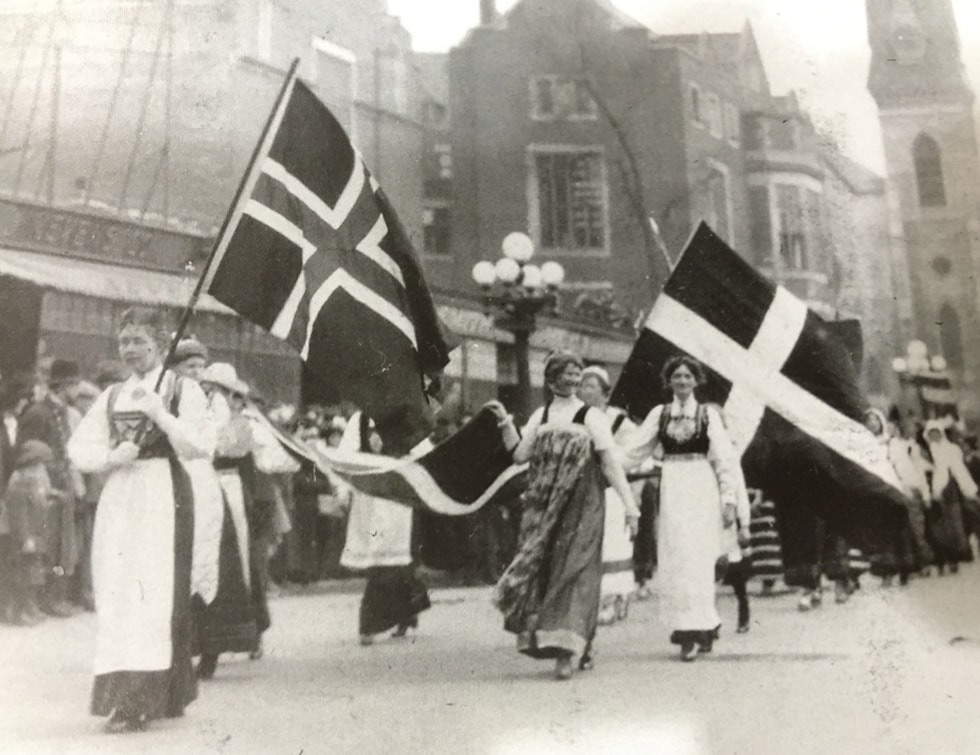
Our league has been active for nearly 90 years in the communities surrounding Lake Minnetonka and Plymouth, promoting informed and active participation of citizens in government at the local level.
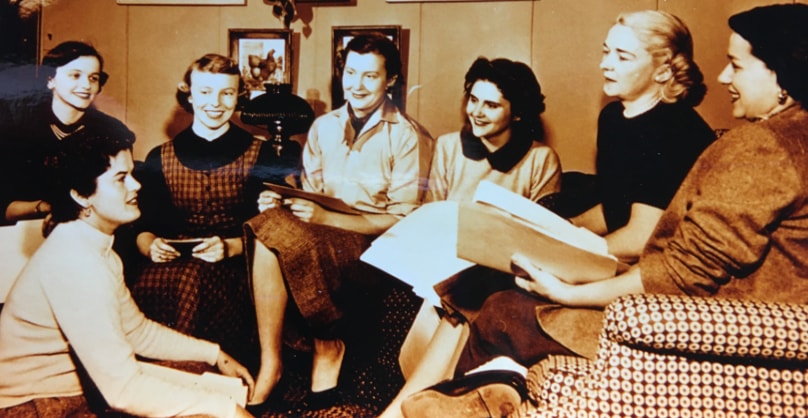
1940: Excelsior women organize to become a local league
1946: Excelsior Area LWV officially recognized by LWVUS and LWVMN
1952: Deephaven Area LWV officially recognized by LWVUS and LWVMN
1953: Wayzata women organize to become a local league
1954: Wayzata LWV officially recognized by LWVUS and LWVMN
1974: LWV of Excelsior and LWV of Deephaven merge to LWV of Excelsior Deephaven Area
1983: LWV of Excelsior Deephaven Area renamed LWV of South Tonka
1986: LWV of Wayzata adds Plymouth to become LWV of Wayzata Plymouth Area
2024: LWV of South Tonka merges with LWV of Wayzata Plymouth Area to become LWV of Lake Minnetonka Plymouth Area, LLC
Currently, over 100 members – both men and women – actively engage in local efforts to empower voters and defend democracy.
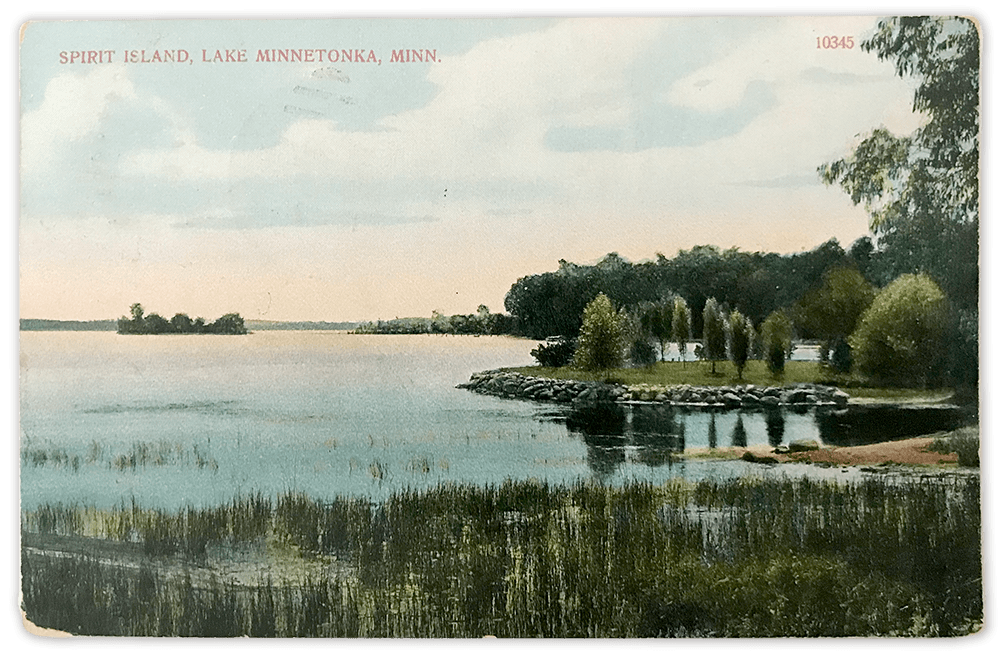
The League of Women Voters of Lake Minnetonka Plymouth Area honors the Dakota Homelands that surround us.
The city name “Wayzata” comes from the Dakota waziyata which means “to the north” or “north shore.” Lake Minnetonka (minne from the Dakota word meaning “water” and tanka meaning “great”) was and still is considered hallowed ground by the Dakota people who first inhabited this area.
Indian Mound Street references the burial mounds upon which Wayzata is built and that still exist along the shores of Lake Minnetonka, mounds that serve as the namesake of the city of Mound.
The city of Plymouth’s original inhabitants were the Dakota people who encamped at the north end of Medicine Lake – a lake name derived from the Dakota word Mdewakanton meaning “lake of the spirit.”
Our communities are built on indigenous land, and we honor the past and the present of the Dakota people.